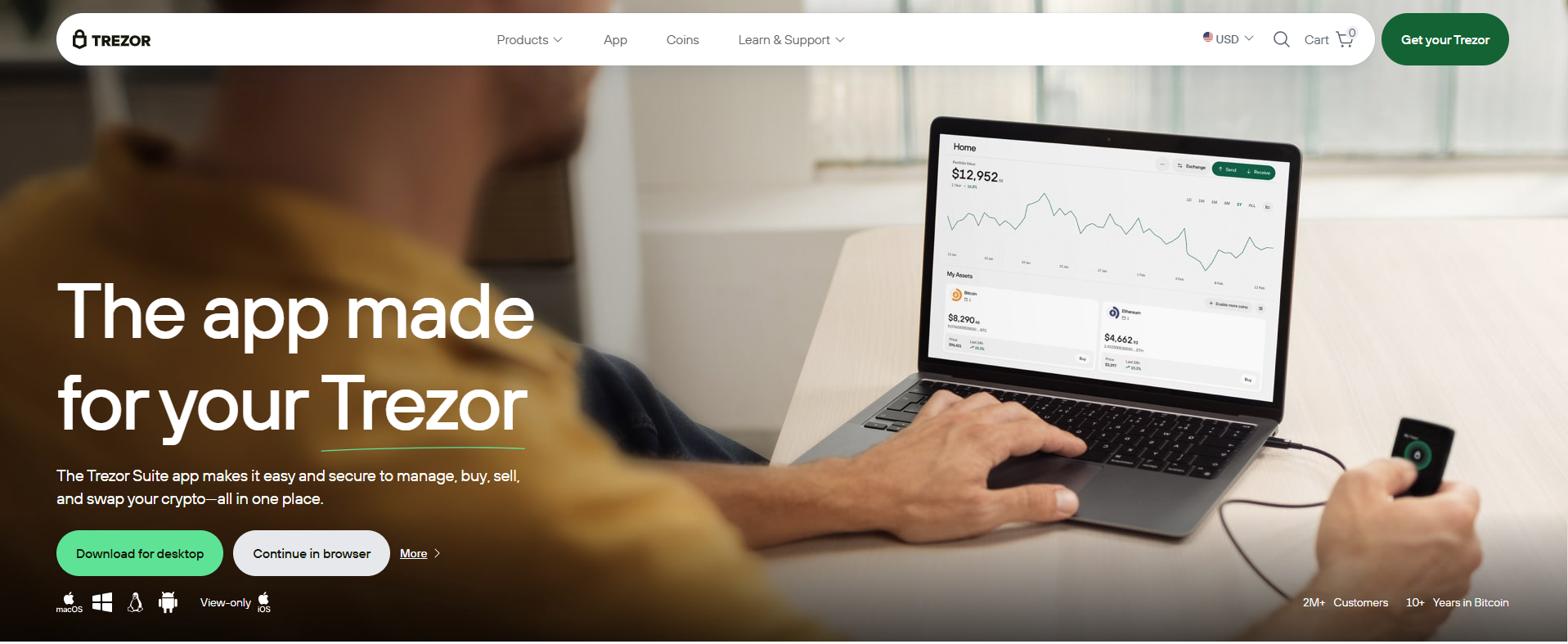
For someone new to hardware wallets, the first setup can feel like a lot to take in. Trezor.io/start is commonly used as a starting point for learning about connecting a Trezor device and getting oriented. This page is independent informational content, not an official Trezor site. Before entering information or following setup instructions, verify the web address and consult the manufacturer’s current guidance.
Before you begin
Set aside a few minutes in a private place and make sure you have the device, its cable, and a computer or phone that meets the manufacturer’s current requirements. Use a trusted internet connection, keep your device in view, and avoid setup links sent unexpectedly by email, direct message, or an advertisement. Typing a web address yourself and checking it carefully can help you avoid lookalike pages.
A wallet’s recovery information is especially sensitive. Follow the instructions shown on your device and from verified documentation. Never share recovery words with another person, enter them into a website or chat, or save an unprotected photo or copy online. Anyone who obtains recovery information may be able to access the associated wallet. If anything about a prompt seems unusual, pause and verify it through official support resources.
Connect and take your time
When you reach Trezor.io/start, read each step rather than rushing through setup. Connect the device as directed, review the prompts on its screen, and use only the software and downloads linked from a verified source. Names, menus, and exact setup steps can change, so rely on up-to-date manufacturer instructions rather than assuming a guide matches every model or software version.
Choose any PIN or other security settings carefully and keep them private. During setup, you may be asked to create or confirm recovery information. Follow the on-device instructions exactly and make a durable, private backup in the manner recommended by the manufacturer. Do not test the recovery process by sharing those words with a website or another person. Store the backup somewhere secure and separate from the device.
Understand accounts and balances
After setup, the companion wallet interface may help you view accounts, holdings, and balances for supported assets. Availability depends on the device, software, region, and networks involved. A displayed balance is an interface view of activity recorded on a network; it is not a guarantee of value, access, or support for every asset. Check network details and destination information carefully before initiating any transfer. Digital-asset transactions can be difficult or impossible to reverse.
Keep good security habits
Use current software obtained through verified channels, keep your device and recovery backup physically protected, and be cautious of anyone claiming they need your recovery words to help. Legitimate troubleshooting should not require you to disclose them. If you encounter an unexpected request, stop and cross-check it with the manufacturer’s official documentation.
Treat Trezor.io/start as a doorway to careful learning, not a reason to hurry. Verify the source, follow current device-specific instructions, and understand each security choice before proceeding. A deliberate setup and well-protected recovery information are useful foundations for managing supported crypto assets responsibly.